Work
St Mathews Project | More than a football club
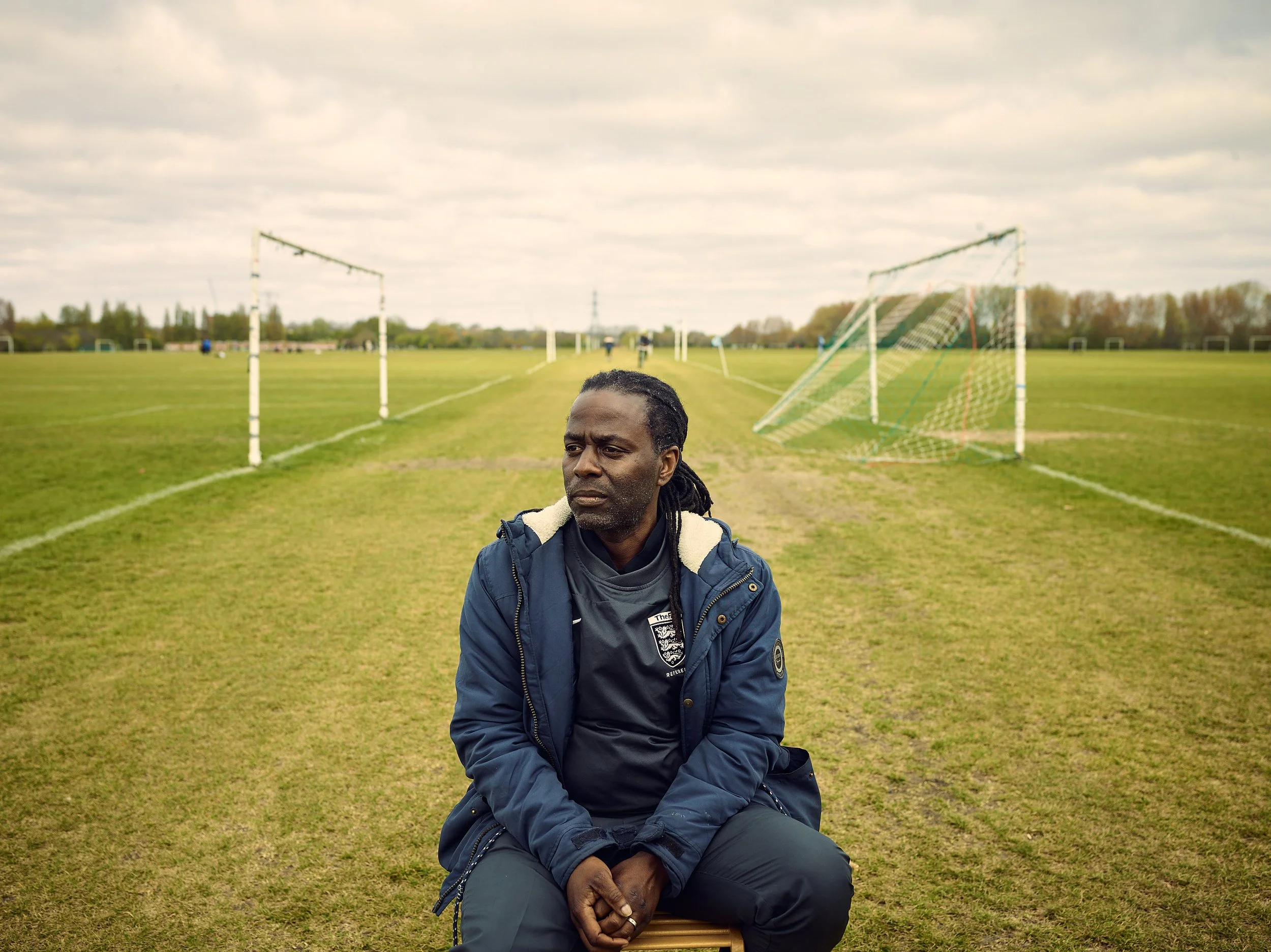
Eleven | A story of grassroots football across London
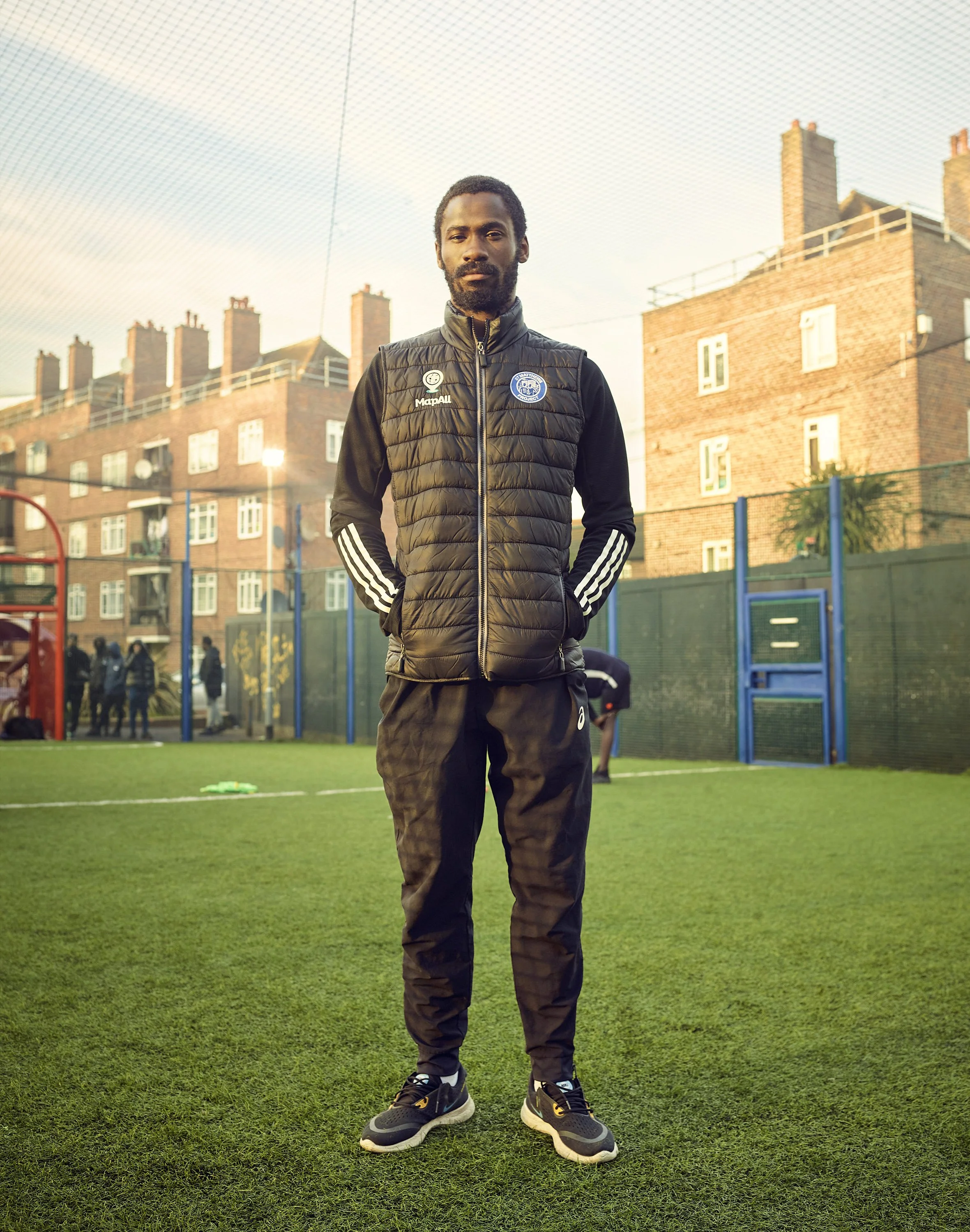
The St Matthew’s Project has been more than just football; it’s been a lifeline, a community, and a place where young people find support, opportunity, and belonging. For two decades, SMP are changing lives in Tulse Hill and south Brixton.In this compelling documentary, explore the untold stories behind the world’s most iconic landmarks. Combining rare archival footage with expert interviews, the film delves into the history, culture, and human endeavour that shaped these symbols of civilisation. A thoughtful reflection on heritage, identity, and the passage of time.
Set across the pitches, cages and park touchlines of London, Eleven is a poetic and intimate portrait of grassroots football — where the game begins, long before stadium lights and televised glory. Commissioned for the London Museum, the film explores the lives bound together by a shared love of the sport at its most raw and human level.
Across a single season, we follow eleven players, coaches, and volunteers from diverse communities, each carrying their own story, ambition, and reason for stepping onto the pitch. From early morning kickabouts on frost-covered grass to floodlit matches under the hum of urban life, the film captures football not just as a game, but as a lifeline: a space for identity, belonging, resilience, and escape.
Through observational storytelling and layered soundscapes of the city — whistles, laughter, arguments, and the rhythm of the ball. Eleven reveals how grassroots football reflects the fabric of London itself. Cultures collide, generations connect, and dreams are both realised and reshaped.
Eleven asks a simple question: what does football mean when no one is watching? The answer is found not in trophies or fame, but in community — in the eleven players who show up, week after week, to play.
We Are Imperial College Healthcare NHS Trust
Commissioned by Imperial College Healthcare NHS Trust, this film is a powerful and human portrait of one of the UK’s most dynamic healthcare organisations — capturing both the breadth of its work and the diversity of the people at its heart.
Spanning hospitals, clinics, laboratories and community spaces across London, the film weaves together stories of patients, clinicians, researchers and support staff. From moments of high-intensity care to quiet acts of compassion, it reveals the full spectrum of modern healthcare — where innovation, expertise and empathy intersect every day.
At its core, the film celebrates the richness of the Trust’s community. Staff and patients from a wide range of cultural, social and professional backgrounds share their experiences, reflecting the diversity of London itself. Through their voices, we see how inclusive care is not just an ambition, but a lived reality — shaping better outcomes and stronger connections.
Visually rich and grounded in real moments, the film moves seamlessly between cutting-edge research, frontline care, and personal stories. It highlights how collaboration across disciplines — from maternity to emergency medicine, from laboratories to operating theatres — drives both clinical excellence and groundbreaking discovery.
Ultimately, the film is a celebration of people: those who dedicate their lives to caring for others, and those whose lives are changed by that care. It offers an authentic, hopeful and forward-looking portrait of a Trust that is not only treating patients, but shaping the future of healthcare.
Listen to the plants
Listen to the Plants is a short documentary funded by the Arts Council England and Comic Relief, in collaboration with the British Geological Survey
The film follows a group of primary school children from inner-city Nottingham as they step beyond the urban landscape and into the ancient woodland of Sherwood Forest. Immersed in nature, the children are encouraged to slow down, observe, and truly listen — not just to the forest, but to the subtle rhythms of the natural world often overlooked.
Working alongside artists, they capture the sounds of the forest — rustling leaves, birdsong, the movement of wind through trees — transforming these organic textures into something entirely new. Back in their creative space, the children reinterpret what they’ve heard, turning sound into expressive artworks that reflect their personal connection to nature.
Listen to the Plants is a story about access, creativity, and the power of listening. It explores how engaging with the natural environment can inspire imagination, foster wellbeing, and give young voices new ways to be heard.